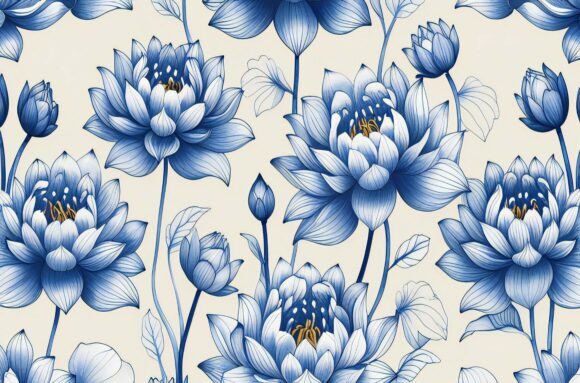
Close Up of a Blue and White Wavy Fabric
The close-up image of a blue and white wavy fabric is more than just a visual element—it's a versatile tool that can elevate the aesthetic and professionalism of your creative projects. This high-resolution JPG file captures the intricate details of a fabric texture, offering a dynamic background that can be adapted to various design needs. Whether you're working on digital art, web design, or social media content, this image provides a foundation that adds depth and visual interest.
Understanding where this fabric fits into your workflow is key to maximizing its potential. It can serve as a backdrop for product mockups, a background for presentations, or even a base for digital illustrations. Its adaptability makes it an essential asset for anyone involved in design, marketing, or creative production.
Integrating the Fabric into Your Creative Process
Before starting a project, consider how the fabric can influence your overall design direction. For instance, if you're creating a website or app interface, using this background can help establish a cohesive visual theme. The wavy pattern introduces movement and energy, which can make static elements feel more engaging.
During the design process, this fabric can act as a reference point. When experimenting with color schemes or layout structures, having a consistent background helps maintain visual harmony. It also serves as a practical tool for testing how different elements interact with the texture, ensuring that your final output remains visually balanced.
After completing a project, the fabric can be used for quality control. By reviewing your work against this background, you can assess how well your designs translate across different mediums. This step is particularly useful when preparing materials for print or digital distribution.
Practical Use Cases and Workflow Examples
Graphic designers often use this fabric as a background for business cards, invitations, and promotional materials. The combination of blue and white evokes a sense of calm and professionalism, making it ideal for branding efforts. When paired with bold typography or minimalistic graphics, the fabric enhances readability without overwhelming the viewer.
For social media content, the fabric can be used as a backdrop for posts, stories, or reels. Its wavy pattern adds visual interest, helping your content stand out in a crowded feed. When designing for platforms like Instagram or Pinterest, this background can provide a unique and memorable look that aligns with your brand identity.
In the realm of digital art, the fabric can serve as a base for illustrations or digital paintings. Artists may layer textures, shapes, or patterns over the background to create a layered and dynamic composition. This approach allows for greater flexibility in achieving the desired mood or message.
Compatibility and Technical Considerations
This high-resolution JPG file (4736 x 2688 pixels) is designed to work seamlessly with major design software such as Photoshop, Illustrator, Canva, and Procreate. Its print-ready and web-ready specifications ensure that it can be used across multiple platforms without compromising quality. Before incorporating it into your workflow, verify that your software supports high-resolution images and that your project settings match the fabric's dimensions.
When working with digital products, such as printable items or sublimation prints, the fabric's resolution ensures clarity at any scale. This makes it ideal for creating custom t-shirts, mugs, or other merchandise that requires a high-quality image. Always test the fabric in its intended format to confirm that it meets your expectations.
Enhancing Efficiency and Consistency
Using this fabric consistently across your projects can help maintain a unified visual language. Whether you're working on a single design or a series of related assets, the fabric acts as a unifying element that reinforces your brand's identity. This consistency is especially valuable for small businesses or independent creators who rely on strong visual storytelling.
Organizing your design assets effectively is crucial for long-term use. Store the fabric in a dedicated folder alongside other frequently used backgrounds or textures. This practice saves time and reduces the risk of misplacing important files. Additionally, consider creating a style guide that outlines how the fabric should be used in different contexts.
Best Practices for Implementation
Start by identifying the specific needs of your project. If you're designing for a website, consider how the fabric will appear on different screen sizes. Test it in a browser or design tool to ensure that it scales properly and doesn't affect the user experience. For print applications, check the color profile to ensure accurate reproduction.
When using the fabric in collaborative environments, share it with team members to maintain consistency. Provide clear instructions on how it should be applied, especially if multiple people are working on the same project. This helps prevent inconsistencies and ensures that everyone is aligned with the design vision.
Finally, stay open to experimentation. While the fabric offers a structured visual element, it can also be modified or combined with other textures to achieve unique results. Don't hesitate to adjust the opacity, color balance, or placement to suit your creative goals.